Beckett News has drawn attention to a practical problem for trading card buyers: some low-profile TCG cards can look affordable until collectors try to find them raw in clean, grade-ready condition.
For local card-shop customers, parents buying packs, online sellers and small business owners, the consequence is immediate. A card's listed price may not reflect how hard it is to find a copy with clean corners, edges, surface and centering, which can affect resale value, grading decisions and refund disputes.
"A raw copy can be surprisingly affordable, but a clean, graded 10 example is a completely different animal."
A raw card is an ungraded card. "Gem Mint" is commonly used for the highest grade tier, often a 10 on third-party grading scales, although grading companies and marketplaces use their own definitions.
Why condition, not fame, can drive scarcity
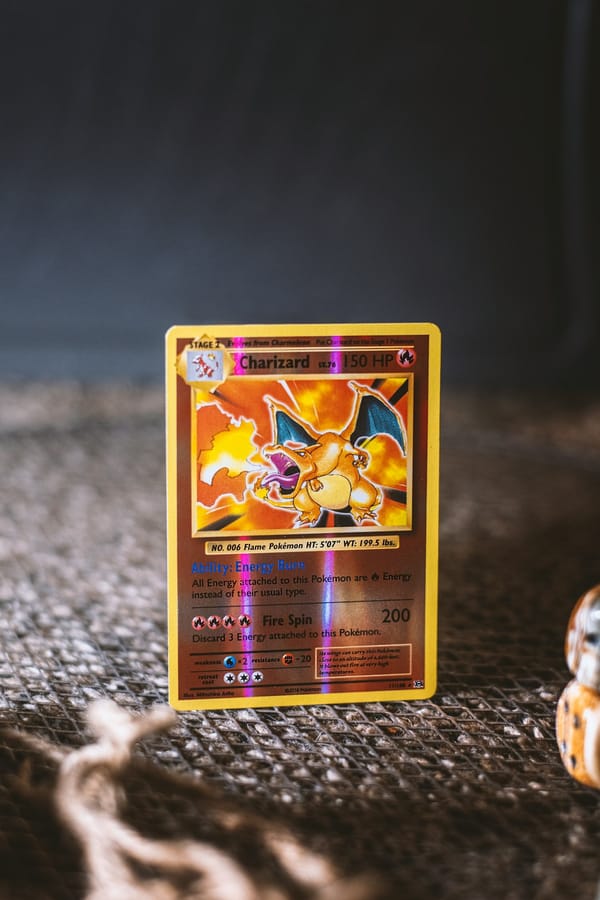
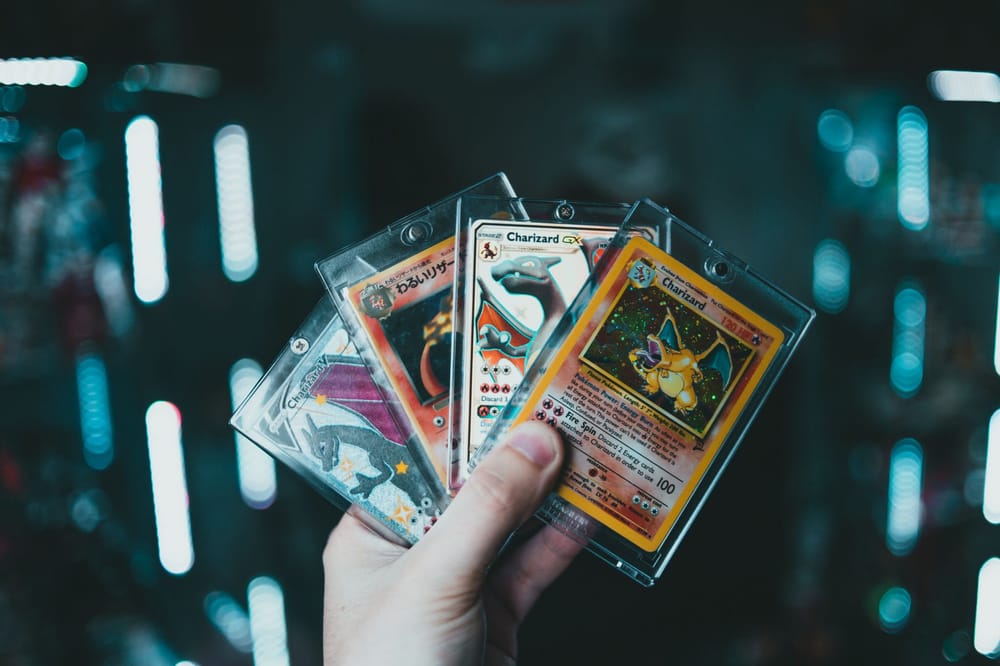
The Beckett News article contrasts headline chase cards, such as Charizard and Black Lotus, with quieter cards that may be difficult to locate in Near Mint or better condition.
That distinction matters because a card can be common in played condition but scarce in top condition. Older cards may have surface wear, whitening, binder marks, print issues or poor centering. Newer cards can also be damaged by cutting, packing, shipping or handling.
Marketplace guides reflect this. TCGplayer's Card Conditioning Standards and CardTrader's Condition Guide both classify cards by visible wear and defects, rather than by popularity alone.
- Raw: ungraded, usually sold through shops, marketplaces or direct seller listings.
- Near Mint: a marketplace condition label for cards with minimal visible wear, subject to the platform's guide.
- Gem Mint: a top-grade description used in grading contexts, where very small flaws can matter.
- Population: the number of graded examples recorded by a grading company, which may not equal the true number in circulation.
Market demand has made condition checks more important
Pokémon Support has previously acknowledged periods of strong Pokémon Trading Card Game demand and product availability pressure. That wider demand has made sealed product, single-card condition and seller transparency more important for families and collectors buying at local shops or online.
Academic research has also treated Pokémon card transactions as a measurable sales market. A PubMed Central paper on Pokémon trading card sales characteristics shows that card sales can be studied through recorded market data, rather than only anecdotal collector claims.
TRADINGCARD has not independently verified the condition scarcity of every card discussed in the Beckett News feature. Readers should treat individual scarcity claims as market observations unless backed by grading population reports, recent sales records or official product data. Our approach to source use is set out in our Source Transparency page.
What buyers and sellers should check before paying a premium
- Ask for clear front and back photos under neutral lighting before buying a raw card online.
- Check corners, edges, surface, centering and any print lines before accepting a Near Mint description.
- Compare the seller's condition label with the marketplace's published condition guide.
- For expensive cards, check recent completed sales, not only active asking prices.
- If grading is the goal, compare likely grading fees, shipping risk and turnaround time with the card's realistic resale value.
Collectors who believe a local listing is misleading should use the seller platform's dispute process and keep screenshots, photos and order records. Shops and sellers can reduce disputes by listing the exact condition standard they use and by providing close-up images before payment.
Primary sources: beckett.com, TCGplayer, Pokémon Support, National Library of Medicine / PubMed Central. Reported by CardTrader.