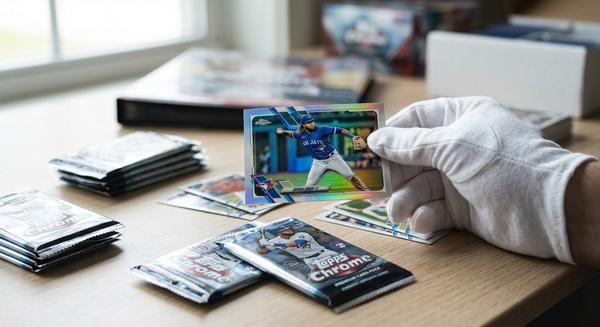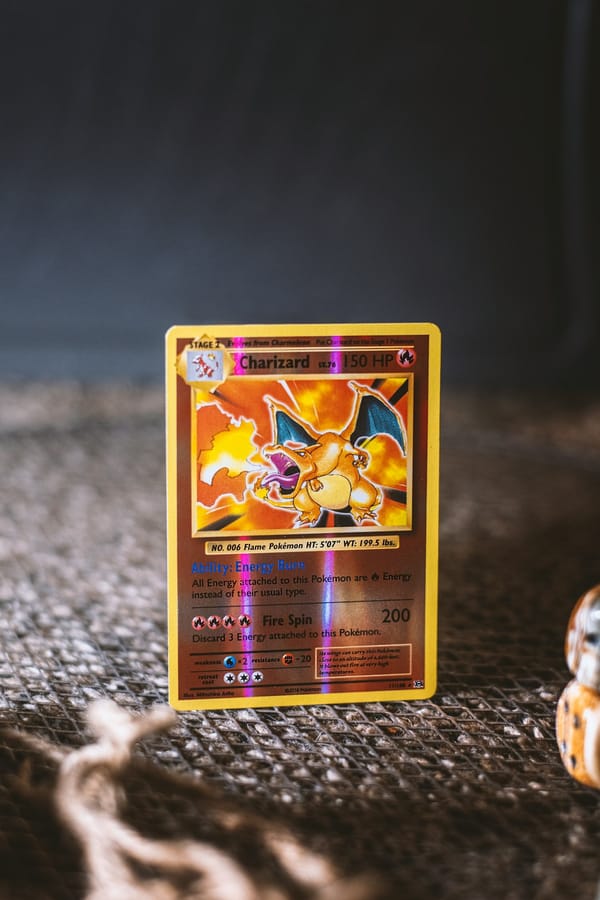

Graded Pokémon and Magic: The Gathering cards are attracting stronger buyer demand, according to recent public sales reporting by Beckett News and current market-tracking tools for trading card games.
The shift matters for collectors, local card shops, show vendors and parents helping younger buyers. Higher prices can raise the value of cards held at home, but they also increase the need to verify grades, sales history, fees and authenticity before buying or selling.
Beckett News described the trading card game market as continuing to surge, with Pokémon and Magic: The Gathering among collectors' preferred sectors.
Recent sales put graded TCG cards back in focus
In its market-watch report, Beckett News said recent public sales data included four-, five- and six-figure results across the trading card game market.
The report highlighted Pokémon and Magic: The Gathering, often shortened to MTG, as the two largest names in the sector. It also cited a high-grade copy of 1998 Magic: The Gathering Urza's Saga #321 Gaea's Cradle R among notable recent sales.
Beckett's report did not make every sale detail available in the supplied source material. Buyers should treat individual prices as card-specific, especially when grade, certifier, population count, sale venue and buyer premiums differ.
What this means for local sellers and shops
- Collectors may need updated valuations: older insurance lists or binder estimates may no longer reflect current market conditions.
- Local card shops may see more grading questions: customers are likely to ask whether raw cards are worth submitting to grading companies.
- Show vendors may adjust cases faster: highly visible public sales can change asking prices for comparable graded copies.
- New buyers face higher risk: rising prices make authentication, condition checks and completed-sales comparisons more important.
Market trackers show active pricing attention
Several public tools now track trading card game prices and market movement. TCGplayer operates a major marketplace for collectible trading card games, while CardPrices.io, PriceCharting and Guardian TCG provide Magic: The Gathering price-tracking or market-report tools.
For Pokémon, public pricing and index services listed in the source material include Pokemon Wizard and PokéViews. A National Center for Biotechnology Information-hosted paper titled Sales characteristics of Pokémon trading cards: A prospective one-year observational study also reflects wider research interest in Pokémon card sales activity.
These sources do not all measure the same thing. Some track asking prices, some report sales, and some compile broader pricing histories. For readers, the distinction is important: an asking price is not the same as a completed sale.
Factors that can change the price of one card
- Grade and grading company.
- Population count, meaning how many copies have received the same grade.
- Set, print run, rarity and language.
- Whether the sale was public auction, fixed-price sale or private transaction.
- Buyer premiums, shipping, taxes and marketplace fees.
- Recent playability or collector demand for the card.
Why graded cards can move differently from raw cards
Graded cards are sealed in a holder with a condition score from a grading company. That process can make comparisons easier for buyers because two cards with the same grade are closer to being like-for-like than two ungraded cards in different binders.
That does not remove risk. Even graded cards can vary in eye appeal, centering, certification history and market timing. A single high sale can influence expectations, but it does not set a guaranteed price for every similar copy.
A recent sale is a data point, not a guarantee of what the next copy will achieve.
Practical checks before buying or selling
- Compare completed sales, not only current listings.
- Check the certification number with the grading company when possible.
- Look for multiple comparable sales across different platforms.
- Account for seller fees and buyer premiums before calculating profit.
- Be cautious with sudden price spikes based on limited public data.
How TRADINGCARD is treating the data
This report treats Beckett News as the original reporting source for the market-watch item and uses the listed marketplace, pricing and research sources for context. It does not present unverified asking prices as completed sales.
Readers can review how we handle sourcing and corrections in our Source Transparency and Editorial Policy pages.
Primary sources: beckett.com, National Center for Biotechnology Information (NCBI), TCGplayer, CGC Cards. Reported by TCGplayer, CardPrices.io, Pokemon Wizard, TCGapi, PokéViews, Guardian TCG, PriceCharting.