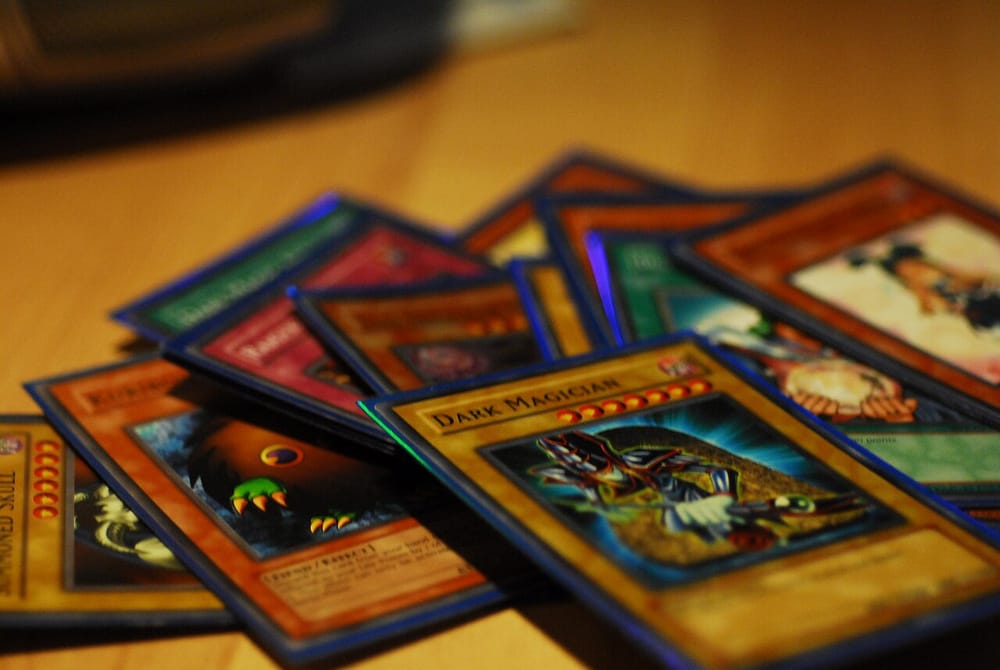
Yu-Gi-Oh! collectors are being urged to take a more selective approach to grading as the game's 25th-anniversary cycle increases attention on premium rarities, nostalgia cards and sealed product.
In a collector-market piece, Beckett News said the current Yu-Gi-Oh! grading market is being shaped by two forces: anniversary-era rarity products and adults returning to cards they collected or played as children. For collectors, parents and local card shops, the practical issue is cost. Grading can support authentication, but not every card will justify the fees, shipping risk and waiting time.
Beckett News framed grading as a tool for authentication in a market where nostalgia and premium rarity releases are drawing fresh attention to Yu-Gi-Oh! cards.
Why Yu-Gi-Oh! grading is getting renewed attention
Konami has used the 25th anniversary of the Yu-Gi-Oh! Trading Card Game to promote multiple products and events tied to historic cards, upgraded finishes and premium rarity treatments.
Official Yu-Gi-Oh! TCG materials list anniversary activity including 25th Anniversary Rarity Collection II Celebration Events and earlier 25th Anniversary Rarity Collection Release Events. Konami Digital Entertainment B.V. also promoted products including the 25th Anniversary Rarity Collection and the 25th Anniversary Tin.
That official product cycle matters because grading demand often follows collector attention. When a release places popular cards into premium finishes, collectors may start comparing raw copies, checking centering and surface condition, and deciding whether a high-grade example is worth submitting.
What this means for collectors and shops
- Collectors: A card should usually be assessed for condition, rarity, demand and grading cost before submission.
- Parents: A childhood binder may contain valuable cards, but visible wear, bends or surface damage can limit grading value.
- Local card shops: Anniversary demand can increase appraisal requests, trade-ins and questions about authentication.
- Online sellers: Graded cards may be easier to describe consistently, but sale prices still depend on the specific card and grade.
Beckett's grading argument is tied to authenticity and timing
Beckett News described grading as a way to authenticate a card. That is especially relevant in a market with high-value nostalgia cards, multiple printings and premium versions that can be difficult for casual sellers to identify correctly.
The article also linked current demand to the generation of duelists who watched characters such as Yugi and Kaiba during childhood and now have adult spending power. That nostalgia factor is difficult to measure precisely, but it is a visible part of the broader trading card market.
Collectors should separate nostalgia from expected return. A card can be personally meaningful and still not be a strong grading candidate if it is heavily played, off-centre or common in high grade.
Checks before sending a Yu-Gi-Oh! card for grading
- Confirm the exact set, language, edition and rarity before estimating value.
- Inspect corners, edges, surface gloss and centering under good light.
- Compare the likely graded value against grading fees, postage, insurance and sales fees.
- Check recent completed sales, not only active listings.
- Keep cards in sleeves and semi-rigid holders if they may be submitted.
Anniversary products have expanded the premium rarity market
Konami's 25th-anniversary activity has placed premium rarities at the centre of recent Yu-Gi-Oh! collecting. The company has promoted Rarity Collection products with upgraded card treatments, while anniversary tins have kept long-running characters and themes visible to returning collectors.
For buyers, that creates both opportunity and confusion. The same character or card name may appear across different sets, rarities and editions. Two cards that look similar at a glance can have different market values once print run, condition and demand are considered.
That is why identification should come before grading. A collector who submits the wrong version may spend more on grading than the card can reasonably recover in a sale.
Market context should be handled carefully
Academic research into trading card sales remains limited and often focuses on other games. A prospective one-year study published through PubMed Central examined Pokémon trading card sales characteristics, not Yu-Gi-Oh! values. It is useful as a reminder that trading card prices can be affected by condition and market behaviour, but it should not be treated as a Yu-Gi-Oh! price guide.
TRADINGCARD applies the same caution when covering grading and card-market claims. Our approach to attribution and corrections is set out in our Editorial Policy and Source Transparency pages.
The bottom line for Yu-Gi-Oh! collectors
The current anniversary cycle has made Yu-Gi-Oh! grading more visible, but the decision remains card-specific. High attention does not automatically make every premium rarity, childhood pull or binder card a strong grading candidate.
Collectors considering a submission should first identify the exact card, assess condition honestly and calculate the full cost of grading. For local shops and sellers, clear condition checks and transparent pricing will matter as more returning collectors ask whether their Yu-Gi-Oh! cards are worth sending in.
Primary sources: beckett.com, National Center for Biotechnology Information, Northern Illinois University. Reported by Yu-Gi-Oh! TRADING CARD GAME (Official Website), KONAMI Digital Entertainment B.V.