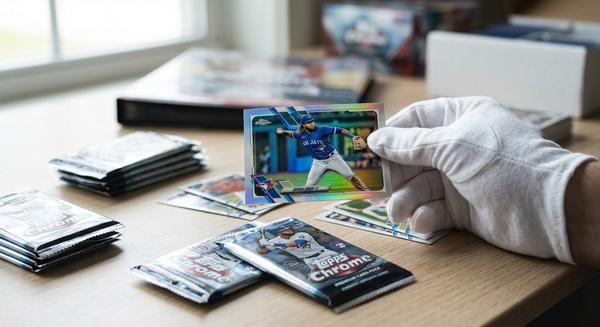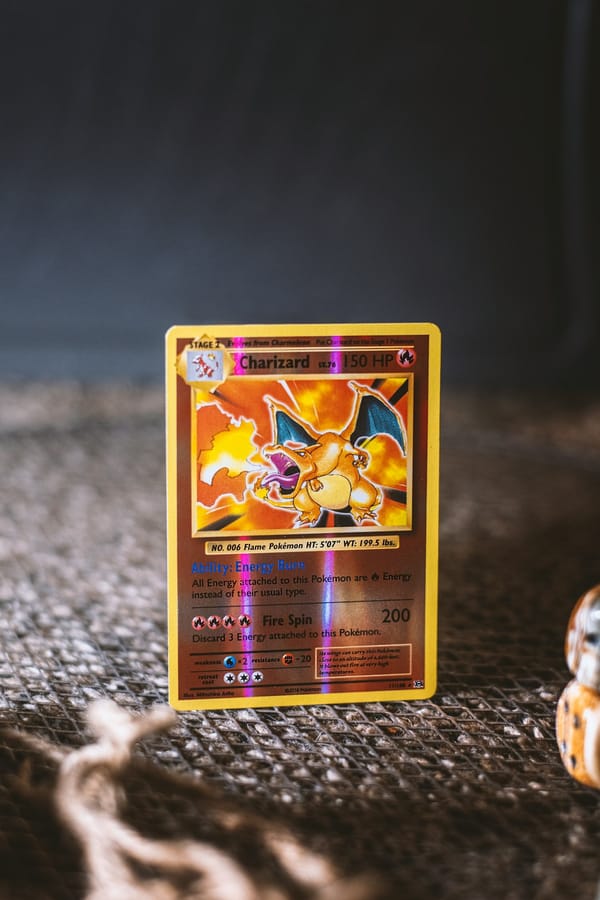
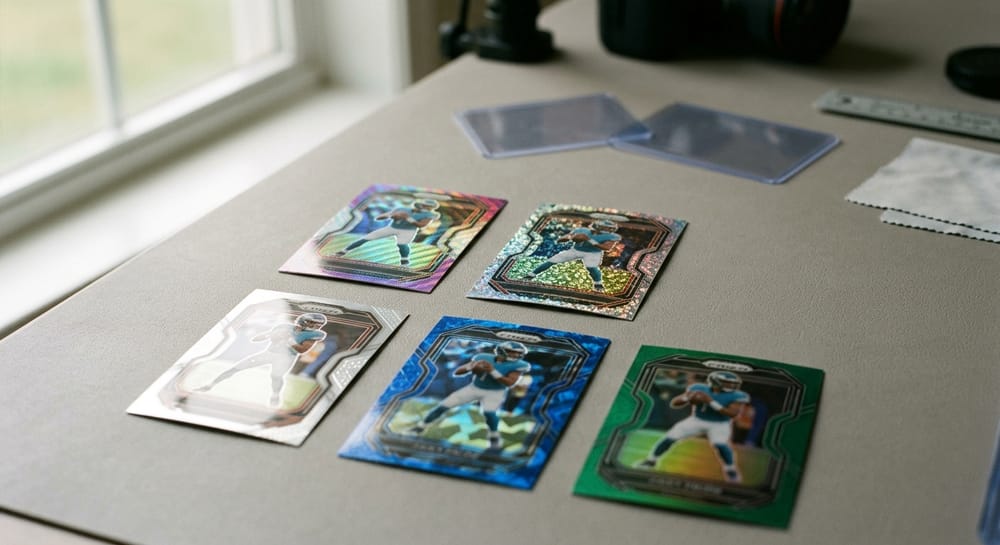
Cardlines has published a guide to Panini refractor-style cards, explaining a term that collectors often use when discussing shiny, foil-finished Panini releases, especially Panini Prizm.
For collectors, shops and online sellers, the distinction matters because search terms, listing titles and card descriptions can affect what buyers find and how they compare prices. A card listed as a “refractor” may be understood by collectors as a shiny parallel, while Panini’s official product language most commonly uses “Prizm”.
Cardlines describes the article as covering “everything you need to know about Panini Refractors, most commonly referred to as Panini Prizm by the brand and collectors.”
What the wording means for buyers and sellers
The issue is partly one of language. “Refractor card” is a widely used hobby term for cards with a reflective finish, while Panini’s own branding and official channels use Prizm for many of its best-known shiny parallel cards.
That can create practical consequences for anyone buying, selling or cataloguing cards:
- Search listings carefully: sellers may use “Prizm”, “refractor”, “silver”, “parallel” or a combination of terms.
- Check the card and set details: the exact product, year, player, parallel and serial numbering can change value significantly.
- Use official wording where possible: Panini’s own sites, including Panini.com and the Panini Group corporate site, remain the reference points for brand and product information.
Collectors who rely only on one marketplace keyword may miss comparable sales or misread a listing. Local card shops and show dealers may also use collector shorthand in conversation, so buyers should ask which parallel is being offered before agreeing a price.
Panini Prizm remains the key brand term
Panini is one of the major trading card manufacturers, with official consumer and corporate sites covering product information, brand activity and customer portals. The company also operates MyPanini, its official portal for customer-facing services.
The Cardlines guide focuses on how collectors talk about Panini refractor-style cards, but readers should separate hobby slang from official naming. In practice, that means looking for the product name printed on the card, the pack, the checklist or Panini’s own materials.
Basic checks before buying a shiny Panini card
- Confirm the card’s year, set and product line.
- Identify whether the card is a base Prizm, Silver Prizm or another named parallel.
- Look for serial numbering if the listing claims the card is limited.
- Compare sold prices for the same card and parallel, not just the same player.
- Read listing photographs closely for surface marks, print lines and centring.
For readers who want to understand how TRADINGCARD handles hobby terminology and sourcing, our Editorial Policy and Source Transparency pages explain our approach.
How collectors should use the Cardlines guide
The guide is most useful as an explainer for terminology. It can help newer collectors understand why the same type of shiny Panini card may appear under different names across marketplaces, social media groups and dealer tables.
It should not replace set-specific verification. Before making a significant purchase, collectors should check the card against official Panini information where available, third-party checklists, grading labels and recent sold listings.
If a listing is unclear, buyers should ask the seller to confirm the exact parallel name and provide clear front and back photographs. Sellers can reduce disputes by using Panini’s product wording in titles and descriptions, then adding collector search terms only where they are accurate.
Reported by Source Text Link, Panini Group, Wikipedia, Cardlines.